Tire Rotation & Balancing For a Smooth Rides and Tires That Last Longer
Your tires do not wear evenly on their own. Front tires handle steering and most of the braking, and drive wheels handle power. Over time, those jobs wear them at different rates. Kenny's Auto Care Service Center in Lima, OH rotates and balances tires so they wear evenly and ride smoothly. Call 419-228-1624 to schedule your service.
Rotation Explained: Why Moving Tires Matters
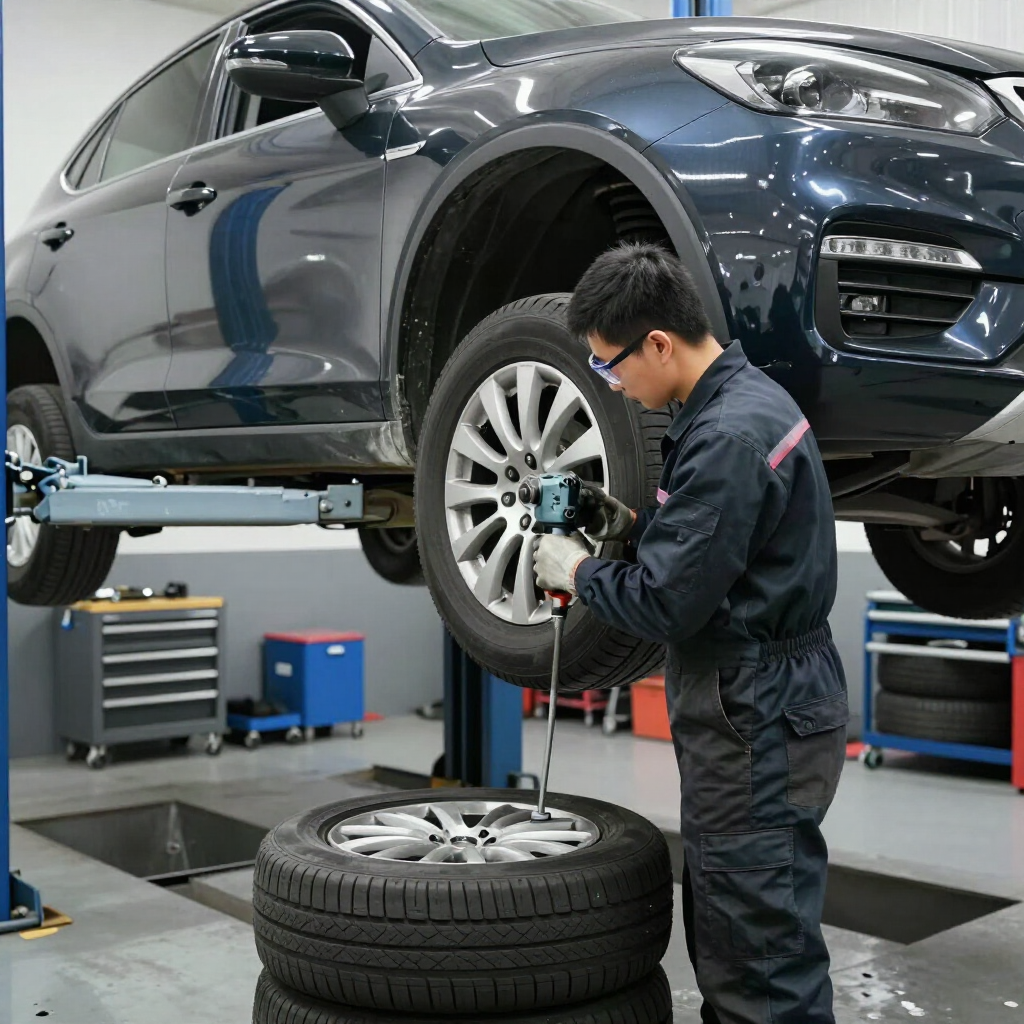
A tire rotation moves each wheel to a different position on your vehicle. That spreads wear across all four tires. Even wear gives you longer tire life, steadier handling, and better traction. Skipping rotation can mean replacing tires sooner and paying more over time.
How Often Should You Rotate?
Many manufacturers suggest rotation every 5,000 to 8,000 miles, which is often at each oil change. Check your owner's manual for your vehicle's recommendation. Consider rotating more often if you:
- Drive in stop-and-go traffic
- Tow or haul heavy loads
- Drive an all-wheel-drive or four-wheel-drive vehicle
- Travel on gravel and rough rural roads
- Notice uneven wear
Rotation Patterns by Drivetrain
The best pattern depends on your vehicle and tires.
- Front-wheel drive: Front tires move straight to the rear, and rear tires cross to the front
- Rear-wheel drive: Rear tires move straight to the front, and front tires cross to the rear
- All-wheel or four-wheel drive: Cross pattern between all four positions
- Directional tires: Swap front and rear on the same side only
- Staggered fitment: May not rotate front to back, so ask your technician
Your technician selects the right pattern for your tires and vehicle.
What Balancing Does
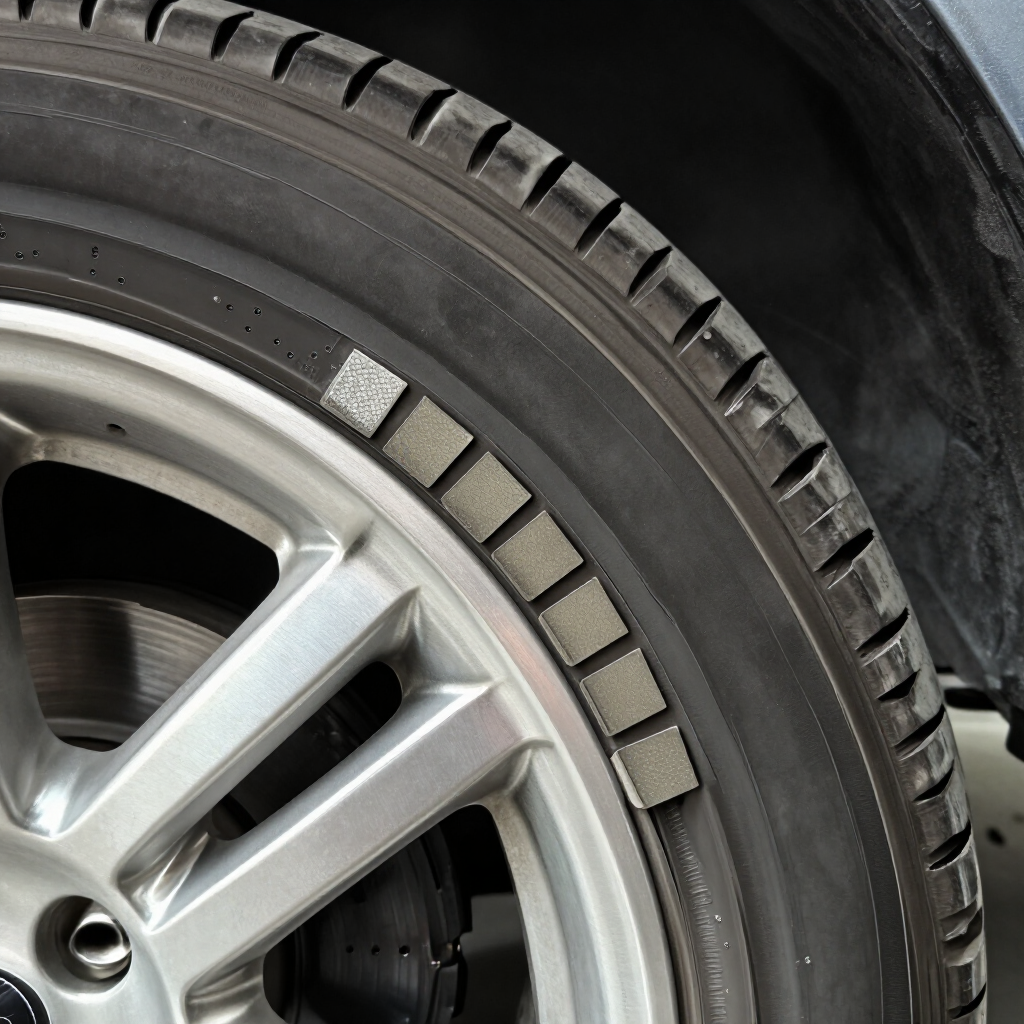
A tire and wheel assembly is never perfectly even. Tiny weight differences make it spin unevenly and cause vibration. Balancing adds small weights to the wheel so the assembly spins smoothly. Most drivers notice a smoother ride and less steering wheel shake after balancing.
Signs You Need Balancing
- Steering wheel vibration at 50 to 70 mph
- Seat or floor vibration at highway speed
- Cupped or uneven tire wear
- A recent tire installation or repair
- A new wheel or a lost wheel weight
Balancing vs. Alignment: Know the Difference
Many drivers mix up these two services.
- Balancing corrects weight distribution in the tire and wheel assembly. It fixes vibration.
- Alignment adjusts suspension angles. It fixes pulling and uneven wear.
If your vehicle pulls to one side, you likely need an alignment. If it shakes, you likely need balancing. Some vehicles need both.
What We Check During a Rotation
Rotation is a perfect time for a quick inspection. Our technicians check:
- Tire pressure and tread depth
- Sidewall damage, nails, and bulges
- Wheel condition and lug nuts
- Brake pad thickness where visible
- Suspension and steering components
- TPMS operation
Catching a small issue early saves time and money.
Keep Your Tire Warranty Safe
Many tire warranties require regular rotation. Keep your receipts and service records. Records prove you maintained your tires if you ever need to make a claim.
Lima Roads Are Tough on Tires
Potholes, gravel, and winter slush punish tires and wheels. A hard hit can knock a wheel out of balance or bend a rim. After a pothole strike, pay attention to new vibrations and get them checked.
Serving Allen County and Surrounding Towns
Drivers from Lima, Findlay, Wapakoneta, Delphos, Ada, and Bluffton visit Kenny's Auto Care Service Center. Call 419-228-1624 to book your rotation.
Frequently Asked Questions About Tire Rotation and Balancing in Lima, OH
How often should I rotate my tires?
Many drivers rotate every 5,000 to 8,000 miles. Follow your owner's manual.
What does tire balancing cost?
Cost varies by vehicle. Call 419-228-1624 for pricing.
Why does my steering wheel shake at highway speed?
Out-of-balance tires are a common cause. Worn parts can also contribute.
Can I rotate my own tires?
Experienced DIYers can with the right tools. Many drivers prefer a shop that can also inspect the vehicle.
Do I need to balance tires every time I rotate them?
Not always. Balance when you feel vibration or after new tires.
Does rotation help fuel economy?
Even wear and correct pressure help tires roll efficiently.