Brake Pad, Rotor & Caliper Replacement: Smooth, Quiet Stops Start Here
Brake pads, rotors, and calipers do the daily work of slowing your vehicle, and they wear out like tires do. Kenny's Auto Care Service Center in Lima, OH replaces all three for cars, trucks, and SUVs, and we choose parts that fit how you drive and how your vehicle was built. Call 419-228-1624 to book your brake service.
Pads, Rotors, and Calipers: The Three-Part Team Behind Every Stop
When you press the pedal, hydraulic pressure pushes a piston inside the caliper. The caliper squeezes the pads against the rotor, and friction slows the wheel. Each part depends on the others:
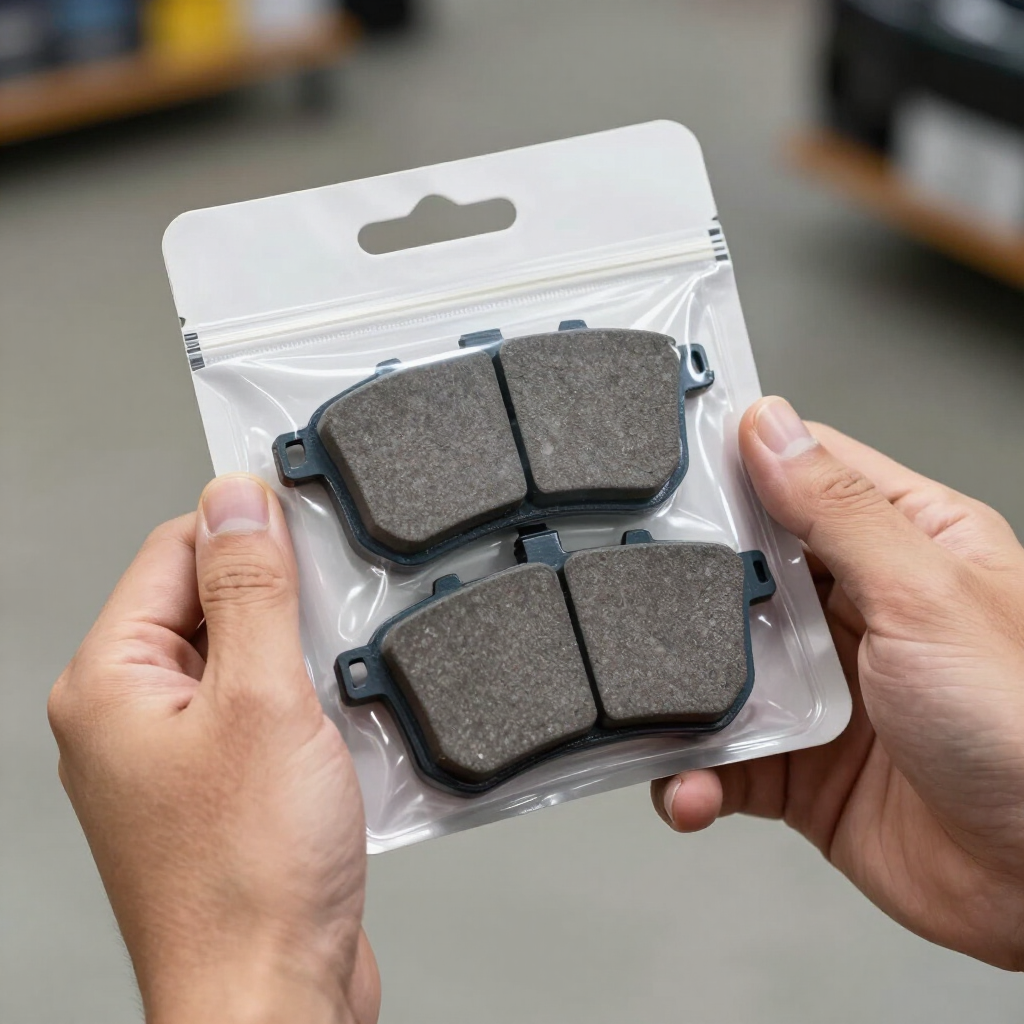
- Brake pads: The friction material that wears down with every stop
- Rotors: The heavy discs that spin with the wheel and absorb heat
- Calipers: The clamps that hold the pads and push them against the rotor
A weak link in any one of them affects the whole system, so we inspect all three together.
Brake Caliper Replacement in Lima, OH: When the Squeeze Goes Wrong
Pads and rotors get most of the attention, but a failing caliper can ruin a brake job in a hurry. A caliper that sticks keeps the pad pressed against the rotor. It overheats the brake, wears the pad unevenly, and can pull your vehicle to one side. Salt, moisture, and age cause the piston and slide pins to corrode, and Ohio winters speed that process.
Signs You May Need a New Caliper
- The vehicle pulls to one side when you brake or drive
- One wheel is much hotter than the others after a drive
- Uneven pad wear, such as one pad worn thin and the other nearly new
- A burning smell or smoke from a wheel after driving
- Brake fluid leaking around the piston or the wheel
- A soft or sinking pedal that does not improve after a bleed
- Clunking or dragging noises when you roll to a stop
- A seized parking brake on vehicles with caliper-mounted parking brakes
Why Calipers Fail
- Corroded pistons that no longer slide smoothly
- Torn dust boots that let water and grit inside
- Seized slide pins that stop a floating caliper from moving
- Collapsed brake hoses that trap pressure in the caliper
- Age and heat cycles that harden seals
- Leaks from worn piston seals or damaged bleeder screws
New, Remanufactured, or Used OEM Calipers?
You have options, and the right one depends on your vehicle and budget.
- New caliper: Good for newer vehicles and drivers who want the longest service life. Consider: highest cost.
- Remanufactured caliper: Good for everyday vehicles with a balance of cost and quality. Consider: quality varies by source.
- Used OEM caliper: Good for older vehicles and tight budgets. Consider: needs a careful condition check.
Pads should always be new. For calipers, our team can talk through the options with you. Kenny's Auto Wrecking can discuss used OEM calipers at 419-223-0836, and our service team can tell you whether a used caliper makes sense for your repair.
What a Caliper Replacement Includes
A proper caliper job is more than swapping one part. Our technicians:
- Inspect the pads, rotors, hoses, and hardware
- Replace the caliper and any damaged brake hose or banjo bolt washers
- Clean and lubricate slide pins and contact points
- Install new pads and check the rotor condition
- Bleed the brake system to remove air and old fluid
- Test the parking brake and pedal feel
- Road test the vehicle
Many vehicles with electronic parking brakes need a scan tool to retract the caliper piston and recalibrate the system, and we handle that step as part of the service.
Replace Calipers in Pairs? Here Is the Rule
Brakes work as an axle set. If one caliper fails because of age and corrosion, the caliper on the opposite side is often close behind. Pads and rotors should always be replaced in axle pairs. We inspect both sides and tell you what we find, so you can decide between replacing one caliper or both.
How Long Do Pads and Rotors Last?
Lifespan depends on your vehicle and your driving. City stop-and-go driving wears pads faster than highway driving, and heavy vehicles and trailers add load. Aggressive braking creates heat, and road salt corrodes rotors. Many pads last somewhere between 25,000 and 70,000 miles, and rotors often last through more than one set of pads. An inspection tells the real story.
Signs It Is Time for New Pads or Rotors
- Squealing: A wear indicator is touching the rotor
- Grinding: The pad material is gone
- Vibration or pulsing: Rotors may be uneven
- Longer stopping distances
- Visible grooves or lips on the rotor
- Dust buildup or uneven pad wear
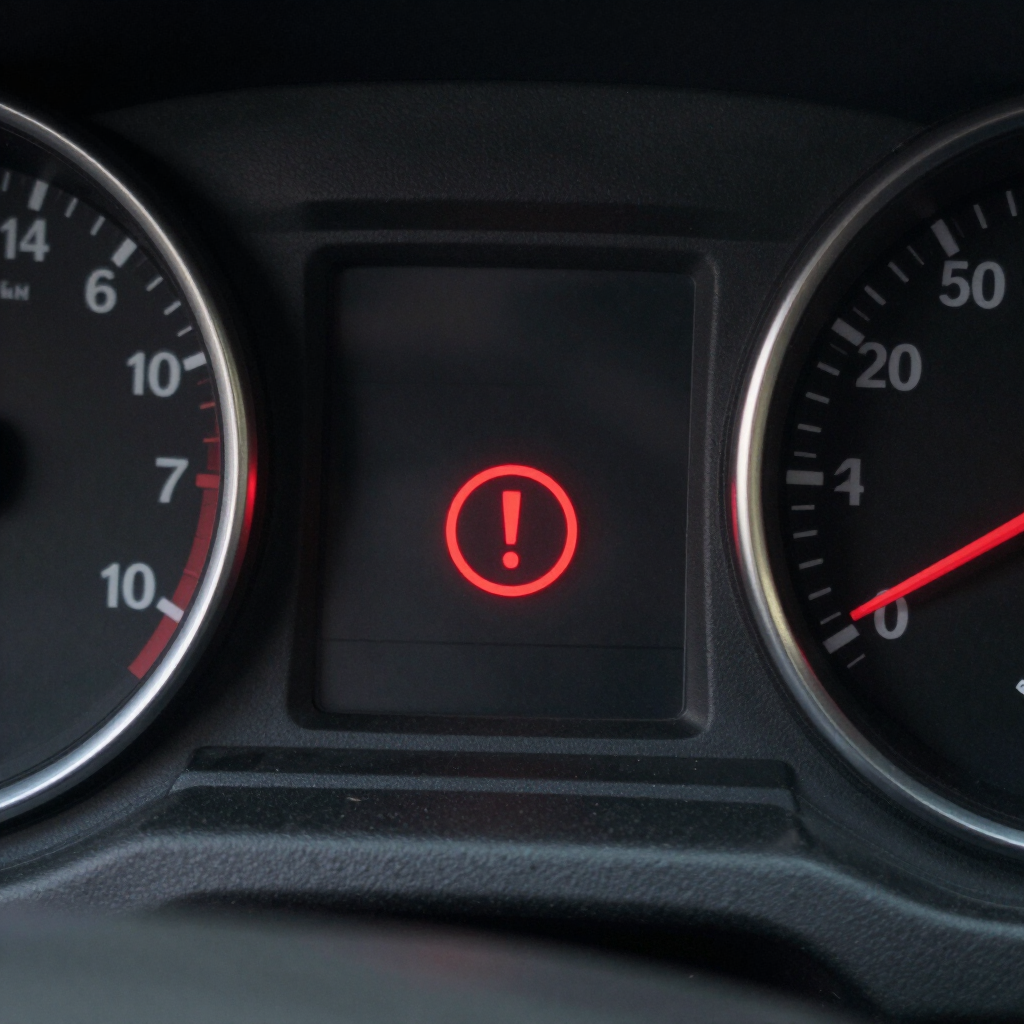
- A brake warning light
Choosing the Right Brake Pads
- Ceramic: Quiet, clean, and smooth. Trade-off: higher cost.
- Semi-metallic: Strong stopping and heat handling. Trade-off: more noise and dust.
- Organic: Soft and quiet. Trade-off: wear faster on heavy use.
Daily commuters often prefer ceramic pads. Truck owners who tow may need a pad built for heavier loads. Tell us how you drive and we will recommend a match.
Rotors: Resurface or Replace?
Every rotor has a minimum thickness stamped on it. A rotor thinner than that limit cannot be reused. Rotors that are warped, deeply grooved, cracked, or rusted should be replaced. Many shops now prefer new rotors paired with new pads, because thin or uneven rotors cause vibration and wear pads quickly.
What a Complete Brake Job Includes
A quality brake job goes beyond swapping pads. A complete service typically covers:
- Inspecting calipers, slide pins, and hardware
- Replacing pads, rotors, and calipers as needed
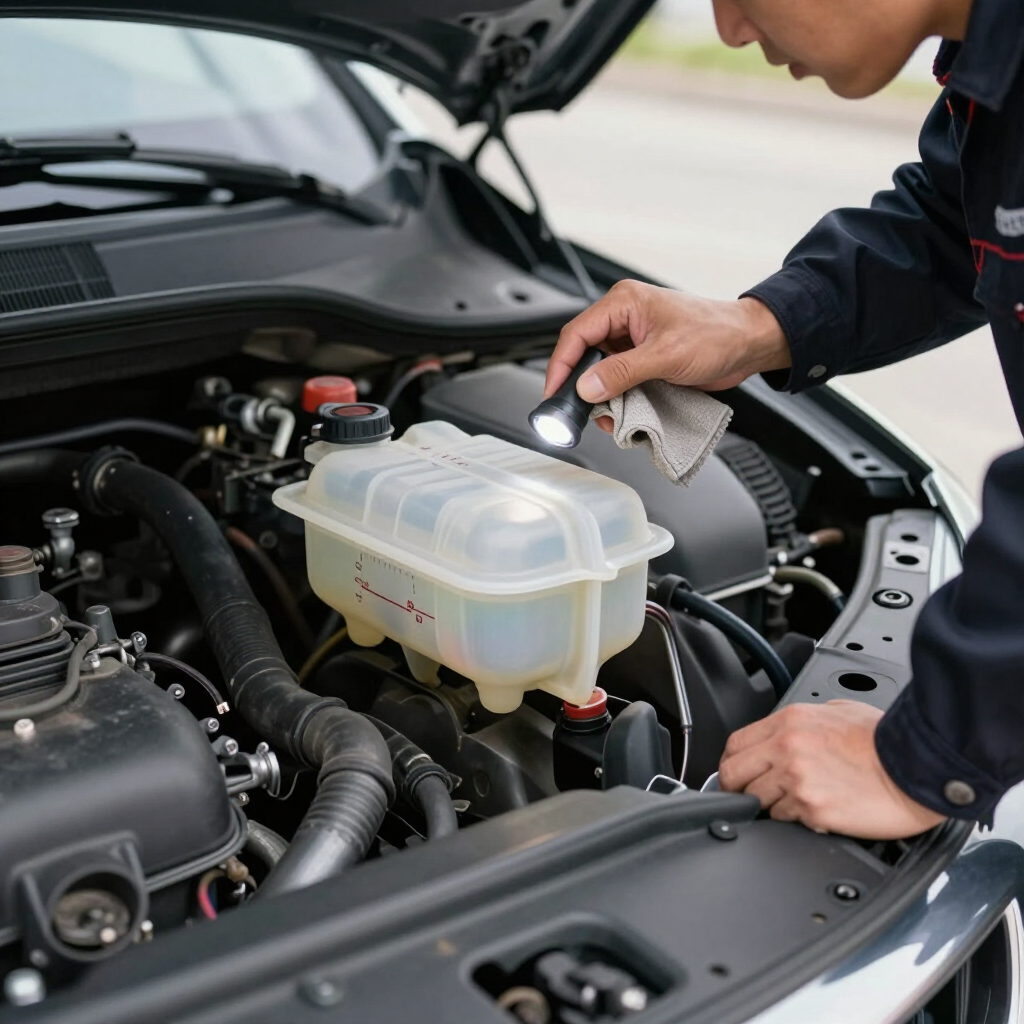
- Checking brake fluid condition and bleeding the system when required
- Inspecting hoses and lines
- Testing the parking brake
- Test driving to verify performance
The Break-In Period Matters
New pads and rotors need a short bedding-in process to transfer friction material evenly. Follow your technician's instructions. Avoid hard stops during the first few miles, and drive normally to let the parts settle. Proper bedding-in reduces noise and extends life.
Serving Allen County and Nearby Towns
Drivers from Lima, Findlay, Wapakoneta, Delphos, Ada, and Bluffton visit Kenny's Auto Care Service Center for pad, rotor, and caliper replacement. Call 419-228-1624 to schedule.
Schedule Your Brake Service Today
Get smooth, quiet stops back. Call 419-228-1624 to book your brake service with our team.
Frequently Asked Questions About Brake Pad, Rotor, and Caliper Replacement in Lima, OH
How do I know if my brake caliper is bad?
Pulling to one side, one hot wheel, uneven pad wear, leaks, and a burning smell are common signs.
Do I need to replace both calipers at once?
Not always, but calipers on the same axle often age together. We inspect both sides and advise you.
How much does brake caliper replacement cost?
Cost depends on the vehicle, the caliper type, and the other parts needed. Call 419-228-1624 for an estimate.
Can I use a used caliper?
In some cases, yes. Ask our team about used OEM options and the condition of the specific caliper.
How often should brake pads be replaced?
Many last 25,000 to 70,000 miles. Inspection is the best guide.
Do I need new rotors every time I replace pads?
Not always, but worn, warped, or thin rotors need replacement.